
Gas Line Excavation in Annapolis, MD
Running gas to a generator, a pool heater, an outdoor kitchen, or a detached garage means a buried line — and buried gas is the one job where shortcuts aren't a cost question. Every run we put in the ground is permitted, pressure-tested, and inspected.
Putting Gas in the Ground, Properly
Most gas work happens inside the building, and that's covered on our gas lines page. This is the other kind: a run that has to cross open ground to reach something that isn't attached to the house. Standby generators are the most common request we see, followed by pool heaters, outdoor kitchens and grills, fire pits, and detached garages or workshops that somebody wants heated.
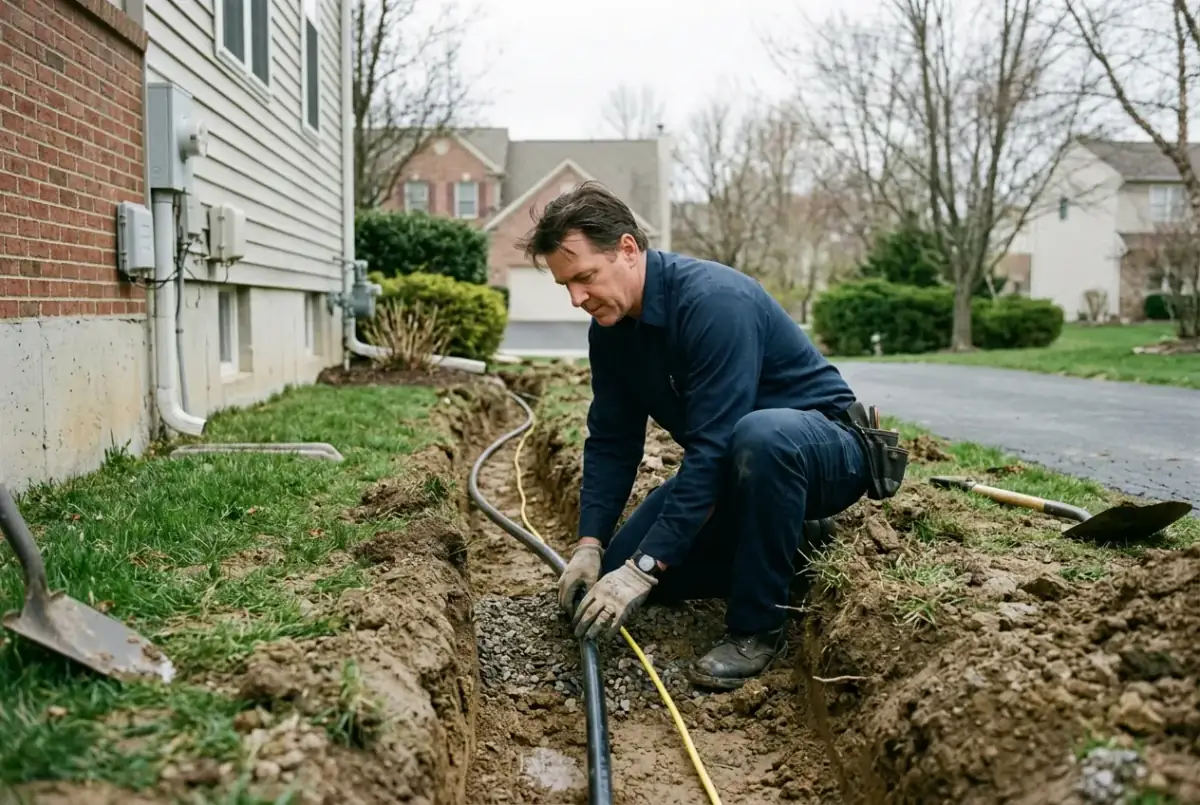
A buried gas run is a different job from an interior one in three ways that matter. It has to be sized for the distance, because a long run to an appliance at the far end of a property will starve it if the sizing was done for a short one. It has to be installed with the burial requirements the code sets for cover depth and locatability, including tracer wire so the line can be found by anyone digging in that yard in twenty years. And it has to be pressure-tested and inspected before it's covered, because once the trench is backfilled nobody can see a thing.
We also handle the buried side of gas when something is already wrong — a line that's failing between the meter and the building, or a run to an outbuilding that has started losing pressure. If you smell gas outdoors, leave the area first and call the utility from a safe distance, then call us at (410) 268-7191. Detection and diagnosis are covered under gas line leak detection; this page is about the excavation the repair takes.
Permits, Utility Coordination, and Why the Test Comes First
Gas work in Anne Arundel County needs permitting and inspection, and we handle that as part of the job rather than leaving it to surface later during a home sale. Where the connection involves the utility's side of the meter, we coordinate with them rather than working around them. The Miss Utility ticket is non-negotiable and goes in at least two full business days before we open ground — on a gas job you are digging in the same corridor as electric and communications, and the markings exist precisely so nobody guesses.
Every run we install is pressure-tested and leak-checked before sign-off, and inspected before it's covered. That sequence is not a formality: a joint that was never properly tested can weep slowly for years, and a buried one gives you no warning at all. It's the same standard we apply to every gas job we do — with gas, that's the baseline rather than extra care.
- Generator, pool heater, outdoor kitchen, and fire pit runs
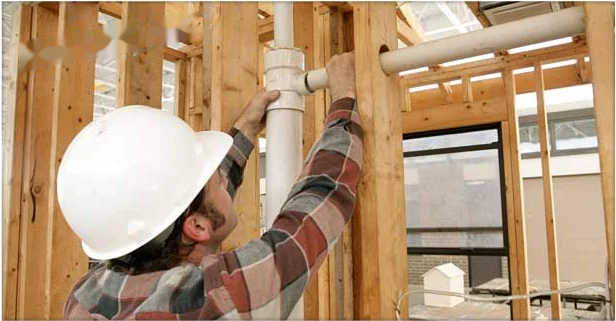
- Sized for the full distance, not just the appliance
- Tracer wire installed so the line stays locatable
- Miss Utility ticket filed before any ground is opened
- Permitted and inspected in Anne Arundel County
- Pressure-tested and leak-checked before backfill
Family owned since 1947
79 Years Serving Annapolis Homes
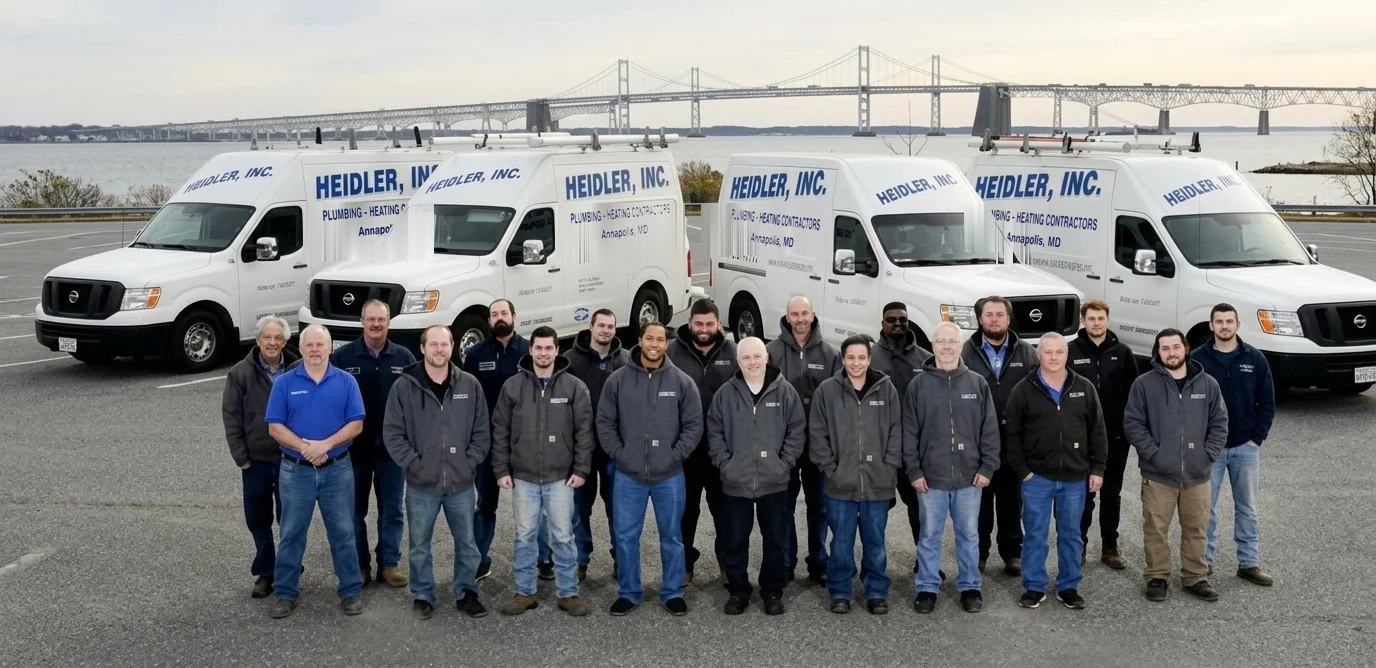
Heidler, Inc. has been the name Annapolis and Anne Arundel County families trust since 1947 — three generations of the same family, doing the job right and standing behind it. Call during office hours and you reach a real person, not a phone tree. When we quote, it's a flat rate you approve up front. And every technician we send is background-checked and drug-tested, so you always feel safe with us in your home.
The Plumber Protects the Health of the Nation
- 4.7★
- 988 reviews
- 3
- generations, family owned
- Licensed
- & fully insured
- Vetted
- background-checked techs
Know the warning signs
When to Call for Gas Line Excavation
You Smell Gas Outdoors Near a Buried Run
UrgentLeave the area first and call the utility from a safe distance, then call us. An outdoor gas odor along a line route is never something to investigate yourself.
A Dead Patch of Grass Along the Line
UrgentVegetation dying in a strip or circle over a known gas route can indicate gas escaping into the soil. It warrants a professional check, not a wait-and-see.
The Appliance at the End of the Run Underperforms
A pool heater or outdoor grill that never quite reaches output is often starved by a line sized for a shorter run than it actually got.
You're Planning a Generator or Outdoor Kitchen
Get the gas route designed before the concrete, the landscaping, or the patio goes in. Retrofitting a buried run under finished hardscape costs multiples.
How it works
Straightforward From Call to Cleanup
Size the Run and Plan the Route
We calculate supply sizing across every appliance the line will serve at the distance it actually runs, then map a route that avoids what's already buried.
Miss Utility and Permits
The ticket goes in and we wait out the markings, and we pull the county permit and schedule the inspection before the trench is opened.
Trench, Lay, and Tracer
The line goes in at the required cover depth with tracer wire alongside, so it's protected now and findable by whoever digs that ground later.
Test, Inspect, Backfill
We pressure-test and leak-check the run and have it inspected before anything is covered, then backfill in compacted lifts and restore the surface.
The Heidler difference
Why Annapolis Trusts Heidler
Every Gas Job Tested and Permitted
Pressure-tested, leak-checked, permitted, and seen through inspection. On buried gas there is no version of this we skip.
Sized for the Distance
We calculate supply across all appliances at the real run length, which is why our outdoor appliances reach their rated output.
Licensed Plumbers Since 1947
Three generations in Anne Arundel County, with background-checked, drug-tested technicians doing the work.
Findable in Twenty Years
Tracer wire and proper burial mean the next person to dig your yard can locate the line instead of finding it the hard way.
The Plumber Protects the Health of the Nation
Questions?
Gas Line Excavation FAQs
Do I need a permit to run a buried gas line?
In Anne Arundel County, gas work needs permitting and the work needs to be inspected. We handle permitting as part of the job rather than leaving it for you to discover later — an unpermitted gas line is the kind of thing that surfaces during a home sale at the worst possible moment.
How long does a generator gas line take?
The trench work itself is usually the short part. The schedule is driven by the Miss Utility wait, permitting, and the inspection, which is why we sequence those first and give you a realistic date rather than an optimistic one. We'll quote the whole thing flat-rate before starting.
Can you run gas to a detached garage or pool house?
Yes, and it's a common request. The considerations are sizing for the distance, the burial route and what it crosses, and how the run terminates at the structure. We'll walk the route with you before quoting so nothing about it is a surprise once the trench is open.
What if my line has to cross the driveway?
We'll identify that from the route planning rather than mid-dig, and price the options honestly. Sometimes the route can be shifted; sometimes the crossing is unavoidable and the restoration belongs in the quote. Either way you see it before you commit.
Is it cheaper to run the gas line while other work is happening?
Substantially, yes. If the yard is already open for a [sewer](/sewer-excavation) or [water line](/water-line-excavation) job, or hardscape hasn't gone in yet, adding the gas route then avoids paying twice to open the same ground. Tell us what else is planned and we'll sequence it.
Where we work
Gas Line Excavation Across Anne Arundel County
Need Gas Line Excavation? We've Fixed It Since 1947.
Flat-rate pricing, our own Annapolis office on the phone, and technicians you can trust in your home. Call now or schedule online.